
Last Updated on 3 weeks ago by Shraddhanvita
Shipping a motorcycle is not just shipping a smaller car. The motorcycle shipping vs car shipping differences come down to three things: how the vehicle is secured, what it costs, and which carriers are set up to move it.
A car rolls onto a trailer and sits on its own four wheels. A motorcycle needs a crate, a pallet, or a wheel chock and soft straps to stay upright for hundreds of miles. That changes the equipment, the prep work, and the price.
In this guide, you’ll learn exactly how each one works, what each costs in 2026, and what carriers need to have in place. We’ll also cover the mistakes most first-time shippers make — and what most companies won’t tell you upfront.
Shipping a car? Get an instant car shipping quote with Haulin.ai in under 40 seconds — no calls required.
Quick Summary: Motorcycle vs. Car Shipping
- Cost: Motorcycle shipping often runs about $300–$1,200 in the U.S.; car shipping often runs about $500–$1,700 on an open trailer, with enclosed transport costing more.
- Securing: Cars are strapped at the wheels. Motorcycles need wheel chocks, soft straps, or a crate to stay upright.
- Equipment: Cars ride on open or enclosed car haulers. Motorcycles often ride in enclosed trailers, on pallets, or in crates.
- Carrier requirements: Both need FMCSA registration and cargo insurance. Motorcycle carriers also need proper tie-down gear and trained handlers.
- Prep: Both need a clean vehicle and low fuel. Motorcycles also need loose parts removed and the battery checked.
- Timing: Most cross-country shipments take about 7–14 days for either vehicle type.
What Is Motorcycle Shipping vs. Car Shipping?
Both are forms of vehicle transport services. The goal is the same: move your vehicle from Point A to Point B without you driving it. The method is where they split.
What is car shipping?
Car shipping is the process of moving a car on a truck-pulled trailer, usually an open multi-car carrier, from one location to another. The car is driven or winched onto the trailer and secured by its wheels. Most U.S. car shipments use open car transport because it is the most affordable option.
What is motorcycle shipping?
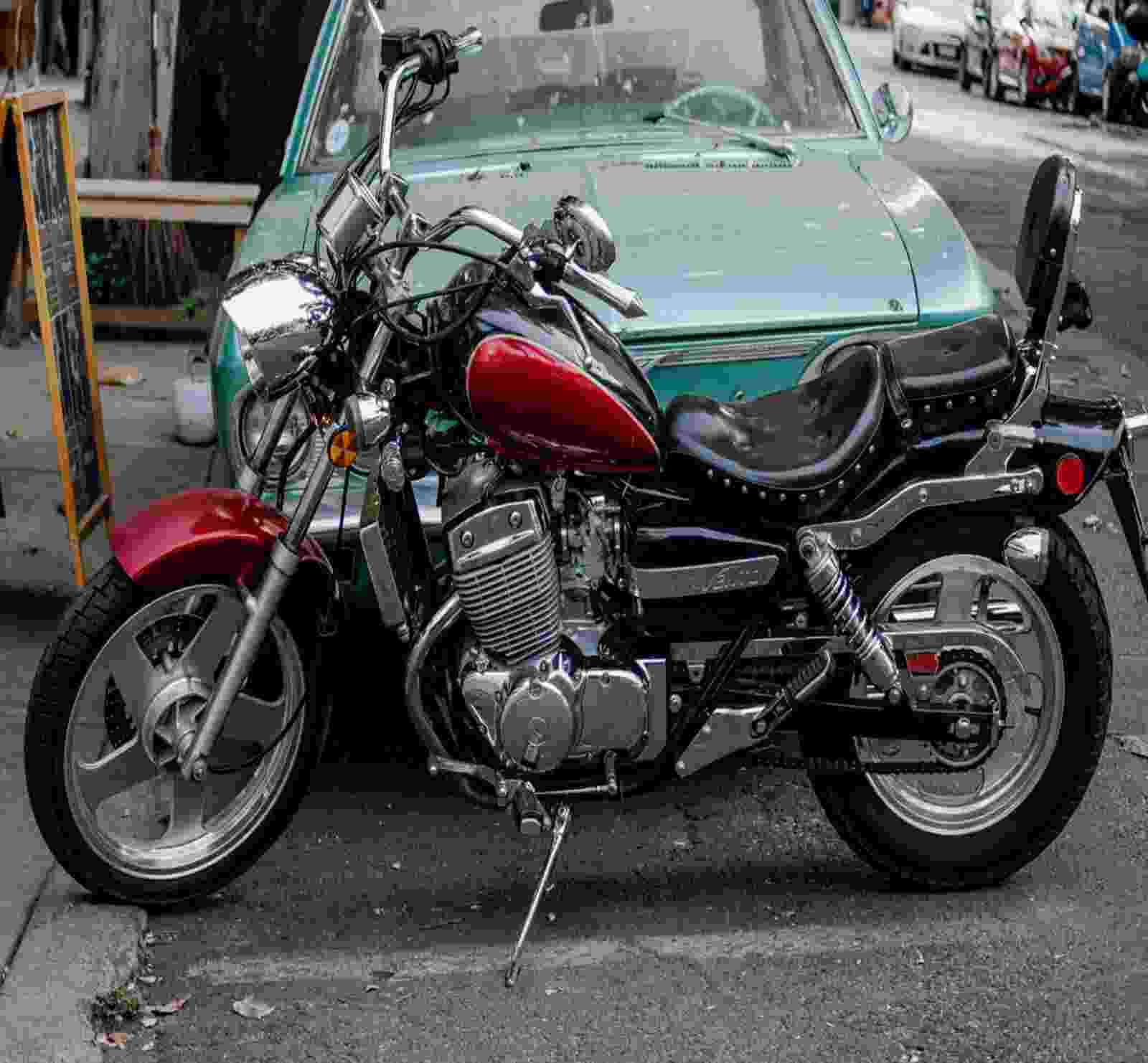
Motorcycle shipping is the process of transporting a motorcycle on a trailer, pallet, or in a crate, secured upright with wheel chocks and soft tie-down straps. Because a bike can’t balance on its own, it needs special equipment and careful handling that a standard car hauler may not have.
Why the difference matters
A car is stable by design. A motorcycle is not. That single fact explains nearly every difference in cost, equipment, and carrier requirements you’ll read about below.
Motorcycle Shipping vs Car Shipping Differences: Side-by-Side
Here’s the quick comparison most shippers are looking for.
| Factor | Car Shipping | Motorcycle Shipping |
|---|---|---|
| Typical 2026 cost (U.S.) | ~$500–$1,700 (open trailer) | ~$300–$1,200 |
| How it’s secured | Wheel straps or chains on the trailer deck | Wheel chock + soft straps, pallet, or crate |
| Common trailer types | Open multi-car carrier, enclosed carrier | Enclosed trailer, open trailer with bike mounts, freight pallet |
| Space used | One full car slot | A fraction of a slot, but needs special mounting |
| Price per mile | Drops sharply on long routes | Also drops on long routes, but short trips are pricey per mile |
| Prep work | Clean, remove personal items, low fuel | Same, plus remove loose parts, check battery, note fluid leaks |
| Carrier availability | Very high — most auto transport companies move cars | Lower — not every car hauler has bike equipment |
| Typical transit (cross-country) | ~7–14 days | ~7–14 days |
How car shipping works (step by step)
For a deeper walkthrough, see how auto transport works and our car shipping process from quote to delivery. Not sure which trailer to pick? Read open vs. enclosed car transport.
- Get a quote. Enter your pickup, delivery, and vehicle details.
- Choose open or enclosed transport. Open is cheaper; enclosed adds protection.
- Carrier assignment. A licensed carrier is matched to your route and pickup window.
- Pickup and inspection. The driver notes the car’s condition on the Bill of Lading.
- Transit. Your car rides on the trailer, usually with others on the same route.
- Delivery and final inspection. You check the car, sign off, and drive away.
How motorcycle shipping works (step by step)
- Get a quote that includes bike make, model, and weight.
- Pick the method: open trailer with bike mounts, enclosed trailer, or crated/palletized freight.
- Prep the bike: remove loose items, lower fuel, and secure or remove accessories.
- Loading and securing: the front wheel goes into a chock and soft straps hold the bike upright.
- Transit with the bike checked at stops for strap tension.
- Delivery and inspection against the original condition report.
How Much Does It Cost? Motorcycle vs. Car Shipping in 2026
Most car shipping costs range between about $500 for short trips and $1,700+ for cross-country moves on open transport. Motorcycles usually cost less overall, but not as much less as people expect.
How to ship a motorcycle: cost in 2026
According to industry estimates, most U.S. motorcycle shipments fall between roughly $300 and $1,200. Long-distance truck transport often works out to about $0.50 per mile (Angi). Short trips cost more per mile because pickup and loading costs are the same whether the bike goes 200 miles or 2,000.
Car shipping cost in 2026
Consumer research puts typical car transport at about $500 for short cross-state trips to over $1,700 for cross-country moves (ConsumerAffairs). Enclosed transport usually adds several hundred dollars on top of open transport.
For a full breakdown, see our car shipping cost guide, what you’re really paying for, and coast-to-coast car shipping cost.
Estimated cost by distance
| Distance | Car (open trailer) | Motorcycle |
|---|---|---|
| Under 500 miles | ~$500–$800 | ~$300–$500 |
| 500–1,500 miles | ~$800–$1,300 | ~$450–$800 |
| 1,500+ miles (cross-country) | ~$1,200–$1,700+ | ~$600–$1,200 |
Ranges are estimates for standard vehicles in 2026. Your real price depends on route, season, and vehicle size.
What most companies won’t tell you
A motorcycle takes up less trailer space, but it isn’t priced by size alone. Bikes need extra handling, special mounts, and more time to load safely. That’s why shipping a bike often costs more than half of what a similar car shipment costs.
Factors that affect the price (both vehicles)
- Distance and route: Busy interstate routes are cheaper per mile than rural ones. See the most popular car shipping routes.
- Trailer type: Enclosed transport costs more than open for both cars and bikes.
- Vehicle size and weight: A heavy touring bike or a full-size SUV costs more to move. Compare SUV vs. crossover shipping.
- Season: Summer and snowbird season (fall and spring) push prices up.
- Timing: Rush or guaranteed pickup dates cost more. Learn if expedited car shipping is worth it.
- Condition: Non-running vehicles need a winch or extra labor.
- Fuel prices: Diesel costs can add a fuel surcharge to quotes.
- Crating (motorcycles only): Crating adds cost but offers the most protection.
Want a real number instead of a range? Text us for a quick car shipping estimate — or get an instant quote online.
Auto Transport Motorcycle Carrier Requirements (vs. Car Carriers)
Any company moving vehicles across state lines for pay must be registered with the Federal Motor Carrier Safety Administration (FMCSA) and carry liability insurance. That applies to car and motorcycle carriers alike. The differences are in equipment and handling.
Legal requirements (same for both)
- USDOT number: Identifies the carrier and its safety record. Learn more: what is a DOT number?
- MC number (operating authority): Required for interstate for-hire carriers and brokers. See what is an MC number? FMCSA explains the authority types on its operating authority page.
- Liability insurance on file with FMCSA: Protects the public if something goes wrong on the road.
- Cargo insurance: Covers your vehicle during transit. Always ask for a certificate of insurance before booking.
- Broker bond: Brokers who arrange shipments must keep a surety bond or trust on file.
Rules change over time. Here’s what FMCSA’s regulation updates mean for car shipping customers.
Equipment and handling requirements
| Requirement | Car Carrier | Motorcycle Carrier |
|---|---|---|
| Tie-down method | Wheel straps, chains, or wheel nets | Soft straps on the frame or triple tree, never on fragile parts |
| Wheel support | Trailer deck or ramps | Front-wheel chock to keep the bike upright |
| Protection | Open or enclosed trailer | Enclosed trailer, padding, or crate preferred |
| Loading tools | Ramps, winch for non-running cars | Ramp, chock, and often two handlers |
| Driver skill | Standard auto transport training | Experience balancing and securing bikes |
| Inspection | Bill of Lading condition report | Same, plus notes on mirrors, fairings, and accessories |
How to check a carrier before you book
- Ask for the USDOT and MC numbers.
- Look them up on FMCSA’s public carrier lookup to confirm active authority.
- Request a certificate of cargo insurance and check the coverage limit.
- For motorcycles, ask exactly how the bike will be secured and what equipment is used.
- Read the Bill of Lading terms before pickup.
For a full checklist, see how to vet a car shipping company.
How to Prepare: Car vs. Motorcycle
Good prep prevents delays, extra fees, and damage disputes. For cars, our car shipping preparation guide covers every step in detail.
Car prep checklist
- Wash the car so the inspection is accurate.
- Take dated photos of every side.
- Remove personal items and toll tags.
- Keep fuel at about a quarter tank.
- Check tires, battery, and for any leaks.
- Leave a spare key for the driver.
Motorcycle prep checklist
- Wash the bike and photograph it from all angles.
- Remove saddlebags, GPS units, and loose accessories.
- Keep fuel low, about a quarter tank or less.
- Check that the battery is charged and secured.
- Fold or remove mirrors if the carrier asks.
- Note any existing scratches or dents on the condition report.
Pros & Cons at a Glance
Car shipping
Pros
- Many carriers and routes, so faster pickup windows
- Lower cost per vehicle on open multi-car trailers
- Simple, well-established process
Cons
- Open transport exposes the car to weather and road dust
- Enclosed transport adds noticeable cost
Motorcycle shipping
Pros
- Lower total cost than shipping a car
- Often ships enclosed or crated, giving strong protection
Cons
- Fewer carriers with the right equipment
- Higher cost per mile on short trips
- More prep work and more parts that can be scratched
Common Mistakes to Avoid
- Choosing the lowest quote blindly. Very low prices can mean long waits or surprise fees. Here’s what cheap car shipping quotes don’t tell you.
- Skipping the insurance check. Always confirm cargo coverage in writing.
- Not documenting condition. No photos means no proof if damage happens.
- Assuming any car hauler can take a bike. Motorcycles need chocks and soft straps.
- Booking too late. Peak seasons fill up fast; book one to two weeks ahead.
- Leaving valuables inside. Carriers usually don’t cover personal items.
See more common auto transport mistakes in the U.S.
Why Shippers Choose Haulin.ai
Unlike traditional brokers, Haulin.ai uses AI to instantly match you with the best carrier at the right price — no back-and-forth calls needed. Here’s why AI-powered car shipping quotes are more accurate and what no-hidden-fee auto transport looks like.
| Traditional Brokers | Haulin.ai | |
|---|---|---|
| Quote speed | Hours or days, often by phone | Instant online quote |
| Pricing | Estimates that can change later | Transparent, no hidden costs |
| Carrier matching | Manual calls and posting | AI-powered matching |
| Experience | Paperwork and phone tag | Modern, tech-enabled booking |
Whether you’re a first-time shipper, a dealership moving inventory, or a military family relocating, the goal is the same: a fair price, a vetted carrier, and no surprises.
Talk to a person. Call now to speak with a shipping expert about your route and timeline.
Frequently Asked Questions
Is it cheaper to ship a motorcycle or a car?
Yes, shipping a motorcycle is usually cheaper than shipping a car. Most U.S. motorcycle shipments cost about $300 to $1,200, while car shipping typically runs about $500 to $1,700 on an open trailer. However, bikes need special mounts and extra handling, so the savings are smaller than their size suggests.
How much does it cost to ship a motorcycle in 2026?
In 2026, shipping a motorcycle within the U.S. usually costs between $300 and $1,200. Short trips cost more per mile, while long cross-country routes often average around $0.50 per mile. Enclosed transport, crating, heavy touring bikes, and peak summer dates can all push the price toward the higher end.
Can a motorcycle be shipped on a regular car carrier?
Sometimes, but only if the carrier has the right equipment. A motorcycle needs a wheel chock and soft straps to stay upright and avoid damage. Many standard car haulers are not set up for bikes. Always ask the carrier exactly how the motorcycle will be loaded and secured before you book.
What licenses and insurance should an auto transport carrier have?
An interstate auto transport carrier should have an active USDOT number, an MC number showing operating authority, and liability insurance on file with the FMCSA. It should also carry cargo insurance that covers your vehicle in transit. Ask for a certificate of insurance and verify the carrier’s numbers on FMCSA’s public lookup.
How long does it take to ship a car or motorcycle across the country?
Most cross-country shipments take about 7 to 14 days for either a car or a motorcycle. Shorter regional trips can take 2 to 5 days. Transit time depends on distance, route popularity, weather, season, and how quickly a carrier is assigned. See our auto transport delivery timeline for details.
Is open transport safe for my car?
Yes, open transport is safe for most everyday vehicles and is the most common way cars are shipped in the U.S. Your car is secured on the trailer and inspected at pickup and delivery. It is exposed to weather and road dust, so owners of luxury or classic cars often choose enclosed transport.
How much fuel should I leave in the tank?
Keep it low. For both cars and motorcycles, about a quarter tank or less is the standard recommendation. That’s enough to load and unload the vehicle while keeping weight down and reducing fire risk. A full tank adds unnecessary weight, and some carriers may ask you to drain it.
What happens if my vehicle is damaged during shipping?
First, note the damage on the Bill of Lading at delivery before you sign. Take clear photos right away. Then contact the carrier to start a claim under its cargo insurance. Our guide on what to do if your car is damaged during transport walks through each step.
Still have questions? Get an instant car shipping quote, browse our car shipping FAQs, or text us for a quick estimate.
Key Takeaways
- The biggest motorcycle shipping vs car shipping differences are securing method, equipment, and carrier availability.
- Motorcycles usually cost less to ship (
$300–$1,200) than cars ($500–$1,700 open), but not in proportion to size. - Every interstate carrier needs a USDOT number, MC authority, and insurance — verify before booking.
- Motorcycles need chocks, soft straps, and experienced handlers; cars need a standard auto carrier.
- Good prep and photo documentation protect you with either vehicle.
Conclusion
Shipping a car and shipping a motorcycle follow the same basic path: quote, carrier match, pickup, transit, and delivery. The difference is in the details — how the vehicle is secured, what equipment the carrier needs, and how that affects your price.
Know those details, verify your carrier, and prep your vehicle, and you’ll avoid the surprises most first-time shippers run into.
Shipping to or from a major state? Check our state guides for New York, Illinois, Texas, Florida, and California.
Ready to ship your car? Get a quote now or call our team to get started today.

**About the Author — Shraddhanvita Tiwari**
Shraddhanvita Tiwari is an auto transport industry expert specializing in vehicle shipping, auto transport logistics, carrier networks, and the U.S. car shipping market. Her experience in the industry gives her a practical perspective on the factors that influence auto transport pricing, carrier selection, shipping timelines, and the overall vehicle shipping experience. At Haulin.ai, she contributes industry-focused insights designed to make car shipping easier to understand for consumers and businesses.