


Last Updated on 5 months ago by Shraddhanvita
Table of Contents
1. Quick Answer
Yes, good auto transport companies exist, but they are not always the cheapest you will find. The best ones stand out by communicating clearly, offering fair prices, working with reliable carriers, and giving honest delivery timelines. If a company gives you a very low quote, avoids details, or pressures you to book quickly, consider that a red flag. A trustworthy car shipping company will explain how pricing works, tell you if they are a broker or carrier, and help you set realistic expectations for pickup and delivery.
To keep it simple, look for four things: a realistic quote, verified insurance, quick answers, and a clear process. These signs are more reliable than flashy ads or five-star ratings.
2. What Good Auto Transport Companies Do Differently
Good auto transport companies do more than just take your booking. They handle the entire process from quote to delivery. This includes explaining the market, setting a fair price, and matching your shipment with a carrier who can handle your route. They also keep you updated if pickup times change, traffic causes delays, or weather affects the schedule.
A reliable auto transport company is easy to contact. You should be able to ask simple questions and get clear, direct answers. For example, you should know when your pickup window starts, how payment works, what insurance is included, and who to contact for updates. If it is hard to get these answers before booking, it probably will not get better afterward.
The best car shipping companies also protect trust. They check the carriers they work with, watch route demand, and do not promise impossible timing just to win a lead. That sounds simple, but it is one of the biggest differences between a smooth shipment and a stressful one.
3. Broker vs Carrier
This is one of the most important parts of the industry. A broker arranges the move. A carrier owns the truck and hauls the vehicle. Most people first speak with a broker, not the truck driver. That is normal. It is not a problem by itself.
Problems happen when a broker pretends to own the truck or gives a low quote that no driver will accept. A good broker helps by finding a reliable carrier, checking insurance, explaining the route, and staying involved until delivery. A good carrier adds value by loading, transporting, and unloading your vehicle safely and on time.
| Broker | Carrier |
| A broker finds the carrier, manages pricing, and handles updates. This is usually the best fit for common routes and flexible scheduling. Risk if weak: low-ball pricing, poor communication, and delays. | A carrier owns the truck and delivers the vehicle. This is most useful when you want direct hauling capacity. Risk if weak: limited routes and less scheduling flexibility. |
When comparing auto transport companies, ask them directly: Are you the broker, the carrier, or both for my route? An honest company will answer this clearly.
4. How Auto Transport Pricing Really Works
Car shipping pricing is based on supply and demand, not on a fixed menu. Drivers choose loads that make sense for their route, trailer space, fuel costs, and timing. That is why two people moving similar cars can get different quotes on different days.
Several things shape the final price. Distance matters, but distance is not the only factor. A simple route between major cities may cost less than a shorter route into a rural area. Time matters too. If you need pickup in 1 or 2 days, you may need to offer more money to secure a driver quickly. Vehicle size matters because larger SUVs and trucks take up more space and add more weight to the trailer. Transport type matters because enclosed auto transport costs more than open transport.
The biggest mistake people make is thinking the lowest quote is always the best deal. A low price only works if a carrier actually accepts it. If no one takes the job, your shipment could be delayed until the price goes up. In the end, that cheap quote might cost you more time, stress, and even money.
5. Real Pricing Breakdown Table
The table below gives a realistic starting range for standard open auto transport. Final pricing can move based on season, route demand, fuel, and urgency.
| 0 to 500 miles | Open: $450 to $850 | Enclosed: $800 to $1,300 | Main price movers: short notice, remote pickup, large vehicles |
| 500 to 1,500 miles | Open: $750 to $1,250 | Enclosed: $1,200 to $1,900 | Main price movers: seasonal demand, route popularity, speed |
| 1,500 to 2,500 miles | Open: $1,050 to $1,650 | Enclosed: $1,700 to $2,500 | Main price movers: cross-country demand, fuel, weather |
| 2,500 miles or more | Open: $1,300 to $1,900 | Enclosed: $2,100 to $3,000 | Main price movers: long-haul timing, market capacity, trailer type |
Intent signal example: 3 carriers may be available on a busy Los Angeles-to-Dallas route today, while only 1 or 2 may be available on a small-town route.
6. Open vs Enclosed Transport
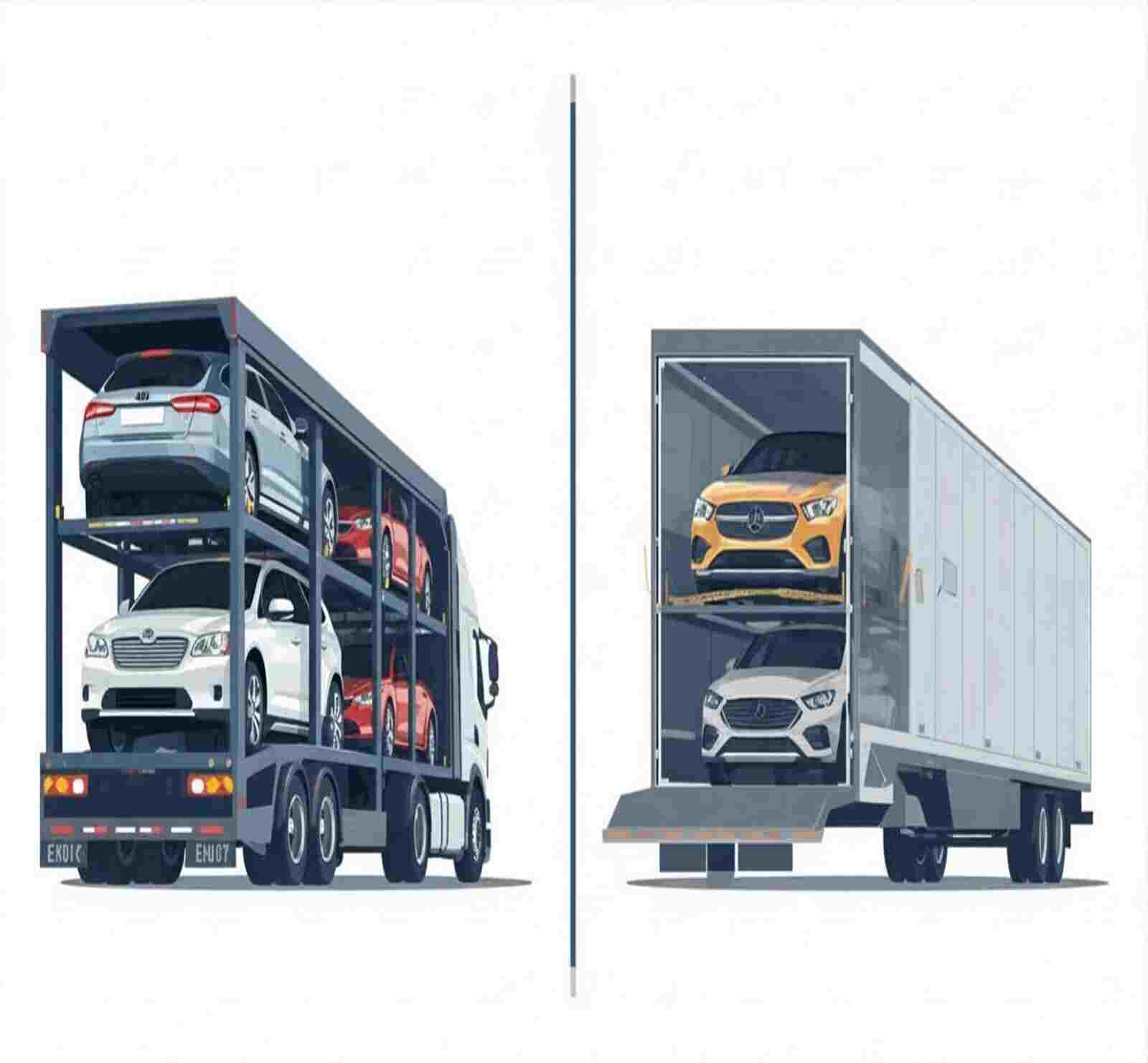
Open transport is the most common choice. It is the standard trailer you see on highways carrying several vehicles at once. For daily drivers, family cars, and most SUVs, open transport is usually the smart balance of price and service.
Enclosed transport offers more protection. Your car travels inside a covered trailer, keeping it safe from rain, dirt, and debris. People with classic, exotic, or high-value cars often pick this option. It costs more, but the extra protection can be worth it for valuable vehicles.
The best choice depends on your needs. If you want practical and affordable shipping, open transport is usually best. If you need maximum protection, enclosed transport is the better option.
7. How to Spot a Bad Car Shipping Company
Bad auto transport companies show warning signs early. The first is often a quote much lower than others. If one company is hundreds of dollars below the rest, ask why. Sometimes it is not because they are more efficient, but because the price is unrealistic and meant to get your deposit.
The second warning sign is poor communication. If you cannot get clear answers about cancellation, insurance, driver assignment, or payment, that is a problem. A company should not hide basic information.
The third warning sign is pressure. Some companies try to rush you with lines like, “This rate disappears in ten minutes,” or “We have a truck waiting right now.” In real auto transport, routes change often, but a good company does not use scare tactics. The best companies earn your trust with a solid process, not by creating panic.
Other red flags are missing written terms, unclear claims processes, and vague answers about who will move your car. If you notice several of these problems, it is best to look elsewhere.
8. Real Customer Stories
Story 1: The Low Quote That Cost More
Maria needed to ship her sedan from Phoenix to Seattle after changing jobs. She chose the lowest quote to save money. The company said pickup would happen in two days, but no carrier accepted the rate. After five days of waiting, the company asked for more money to update the market price. Maria paid the increase because she was running out of time. The car arrived later than planned, and the final cost was higher than one of the original realistic quotes she had rejected.
The lesson from Maria’s move is simple: a cheap quote is not a win if it cannot get your car on a truck.
Story 2: Paying for Clarity, Not Hype
James needed enclosed auto transport for a restored 1967 Mustang from Miami to Nashville. One company gave him a polished sales pitch, but another company walked him through the route, the timing, the insurance, and the reason enclosed service costs more. James chose the second company even though the quote was higher. The pickup happened within the promised window, the driver sent clear updates, and delivery happened without damage or surprise fees.
James did not buy the lowest number. He bought a plan he could trust.
Story 3: Rural Route, Better Expectations
Leah was moving from a small town in Montana to Denver. Her broker explained that rural pickups often take longer because fewer trucks pass through that area. Instead of promising a fast pickup, the company gave her a wider pickup window and offered a nearby meeting point that could speed things up. Leah chose the nearby lot option, saved money, and got picked up sooner than expected. The shipment felt smooth because the company explained the route honestly from the start.
These stories are important because they show how service quality changes the outcome. The best companies clear up confusion before the truck arrives. They help you understand what is normal, what might change, and what you can do to avoid delays.
9. Step-by-Step Booking Process
1.Request several quotes. Get at least 3 quotes to see the real market range.
2.Compare what is included. Check pickup window, transport type, payment terms, and insurance details.
3.Ask if the company is a broker or carrier. You want a straight answer.
4.Review trust signals. Look for clear reviews, a service history, and transparent business practices.
5.Confirm the vehicle details. Size, condition, and modifications can affect the rate.
6.Book with realistic timing. Flexible dates often lead to better pricing and faster driver matches.
7.Prepare the car. Remove personal items, document the vehicle’s condition, and keep the fuel level low.
8.Inspect at pickup and delivery. Review the vehicle with the driver and keep records.
10. Route, Timing, and Vehicle Factors
Not every route works the same way. Major routes like California to Texas or Florida to New York usually move faster because more carriers want those jobs. Smaller markets, mountain towns, and rural areas may take longer and cost more. This is not a scam; it is just how truck capacity works.
Timing also affects the market. Summer, snowbird season, holidays, and end-of-month rushes can make prices go up. If your dates are flexible, let the company know. Flexibility helps brokers and carriers find a better match for you.
Vehicle details matter too.Vehicle details are important too. A lifted truck, large SUV, inoperable car, or low sports car may need special handling. Good auto transport companies ask about these things early because wrong details can delay or even stop your shipment later. location. If the street is too tight for a large trailer, the driver may ask to meet at a nearby parking lot. That is common and often makes the move faster and safer. A good company explains that before the pickup day, so there are no surprises.
11. Trust Signals That Matter
Trust signals should help you feel confident before booking. The best signals are not just badges or logos. They show that the company follows a reliable process and takes responsibility if something goes wrong.
Insurance explanation: Shows what is covered and what steps to follow if there is damage.
Clear customer reviews: Helps you spot patterns in communication, timing, and pricing honesty.
Case studies or shipment stories: Shows how the company handles real routes and real problems.
Carrier vetting process: Confirms the company checks carrier quality instead of booking blindly.
Delivery windows in writing: Sets fair expectations and reduces surprise conflicts.
Guarantee language with limits: Shows confidence without making fake promises.
12. FAQs
Are good auto transport companies worth the extra cost?
Usually, yes. A fair quote from a reliable company often saves time and stress because the job gets picked up faster and handled with better communication.
How long does it take to ship a car?
Most shipments take about 3 to 10 days, but route type, weather, and season can expand or shorten that window.
Is open transport safe?
Yes. Open transport is the most common form of car shipping and is used for most everyday vehicles.
When should I choose enclosed transport?
Choose enclosed transport when the vehicle is rare, classic, luxury, exotic, or highly sentimental, and you want more protection.
Can I put personal items in the car?
Some carriers allow limited items, but many restrict them. Always ask first because extra weight can affect the shipment.
What should I do before pickup?
Wash the car if possible, take photos, remove valuables, and note any existing damage before the inspection.
13. Final Verdict
Good auto transport companies do exist, but they are not always the cheapest you will see in search results. The best ones offer honest pricing, clear communication, reliable carrier matching, and strong trust signals. These qualities make them dependable.
If you remember one thing, let it be this: do not choose a company just because it offers the lowest quote. Choose the one most likely to move your vehicle without confusion, delays, or surprise fees.
14. Get Carrier-Level Pricing Now
If you are ready to compare real car shipping companies, your next step is to get carrier-level pricing based on your route, vehicle, and timing. This gives you a clearer idea of what drivers are likely to accept right now.
Call Now for a Live Route Check!
Text Your Route for Fast Pricing!

**About the Author — Shraddhanvita Tiwari**
Shraddhanvita Tiwari is an auto transport industry expert specializing in vehicle shipping, auto transport logistics, carrier networks, and the U.S. car shipping market. Her experience in the industry gives her a practical perspective on the factors that influence auto transport pricing, carrier selection, shipping timelines, and the overall vehicle shipping experience. At Haulin.ai, she contributes industry-focused insights designed to make car shipping easier to understand for consumers and businesses.