

Last Updated on 8 months ago by Shraddhanvita
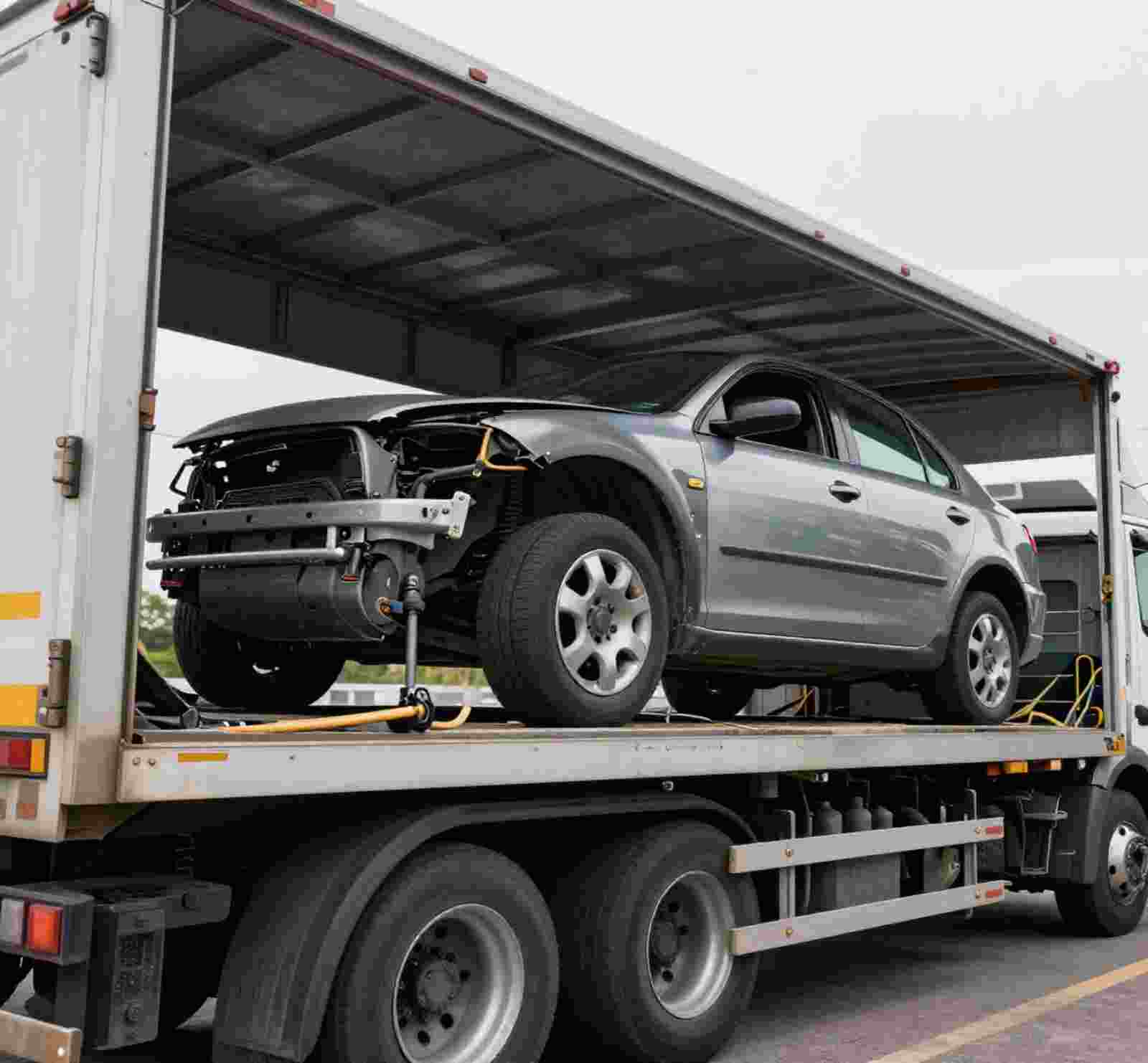
Shipping a car that doesn’t run comes with a very different set of questions than shipping a vehicle that starts and drives normally. If the engine won’t turn over, the transmission is locked, or the car simply can’t move under its own power, the process changes, and so does the cost. That’s why people searching for how to ship a broken car usually want straight answers, not generic auto transport advice.
In 2026, it’s more common than ever to ship a non-running car. Online vehicle purchases, restoration projects, insurance claims, and long-term storage all lead to situations where a car needs to be moved without being driven. The challenge is that not every carrier can handle inoperable vehicles, and the ones that can need specific equipment and extra time to do it safely.
This guide breaks down what’s actually involved when you need to ship a non-running car, from the equipment required to the cost differences compared to standard transport. We’ll also look at how inoperable vehicle transport costs are calculated, what a winch car transport service really means in practice, and the common mistakes that cause pick-up delays before the truck even arrives.
If your vehicle won’t start, won’t roll, or won’t shift into neutral, this guide is written for you. Each section focuses on one part of the process, so you know exactly what to expect before booking.
What Counts as Non-Running?
In car shipping terms, “non-running” has a very specific meaning that doesn’t always align with how owners describe their own vehicles. A car is generally considered non-running if it can’t be driven onto a carrier under its own power and positioned without outside assistance.
These include obvious cases, like a dead engine or a blown transmission. But it also covers situations that surprise people. If the car starts but won’t go into gear, or won’t shift out of park, or can’t be safely driven up a ramp, carriers will still treat it as inoperable. The same applies if the vehicle rolls but won’t steer or stop reliably.
There are also “grey area” vehicles that often cause problems at pick-up. A car with a weak battery that needs a jump every time, or one that moves only a few feet before stalling, may technically run, but most carrier drivers will still classify it as non-running. From a carrier’s point of view, anything unpredictable becomes a loading risk.
What Equipment is Required to Ship a Non-Running Car?
Once a vehicle is classed as non-running, the biggest change is how it’s loaded. Because the car can’t be driven onto the trailer, carriers need additional equipment to move it without forcing parts or causing damage during loading.
In most cases, that equipment is a winch. This is what people are usually referring to when they book a winch car transport service. A heavy-duty cable or strap is secured to the vehicle, and the car is slowly pulled up the ramp and into place. The process is steady and controlled, making it suitable for vehicles that won’t start but can still roll.
Winches work well when the wheels turn freely and the steering functions. Even if the engine is completely dead, as long as the car can roll and be guided, a winch is usually enough. This is why carriers ask questions ahead of time. Knowing whether the wheels are free makes a big difference to the equipment they bring.
Forklifts are less common but sometimes unavoidable. If the wheels are locked, the suspension is damaged, or the car is sitting in a tight space where a ramp won’t work, a forklift may be used to lift and place the vehicle onto the trailer. This is more typical at auctions, salvage yards, or industrial locations than at private homes.
The key thing to understand is that not every carrier has this equipment. Many open carriers are set up only for running vehicles. If a non-operable car is booked without confirming winch capability, the driver may arrive unable to load it, which leads to delays or a cancelled pick-up.
Equipment also affects timing. Winch loading takes longer than driving a car onto the truck, especially if clearances are tight or the vehicle needs to be carefully positioned. That extra time is part of why non-running vehicles cost more to transport, which we’ll get into next.
When booking your door-to-door transport, honest booking details matter more than optimism. Describing the vehicle exactly as it sits, even if that means admitting it hasn’t moved in months, helps ensure the right truck shows up the first time.
Cost Differences vs. Normal Vehicles
Shipping a non-running car almost always costs more than transporting a vehicle that can be driven onto the trailer. The gap isn’t arbitrary, and it isn’t a penalty for having a broken car. It comes down to time, equipment, and risk.
With a normal vehicle, loading and unloading are quick. The driver drives the car onto the trailer, secures it, and moves on. A non-running vehicle takes longer at both ends. Winch loading is slower, positioning is more careful, and unloading can involve the same controlled process in reverse. That extra handling time limits how many vehicles a carrier can move in a day, and pricing reflects that.
Equipment availability also plays into pricing. Not every carrier is set up to handle non-running vehicles, which means there are simply fewer trucks available for these jobs. When the pool of capable carriers is smaller, prices tend to rise, especially on shorter routes where drivers have less flexibility. That’s one reason inoperable vehicle transport costs can look high even when the distance isn’t.
Risk plays a role, too. Non-operable vehicles are more likely to have underlying mechanical issues, seized components, or structural problems that aren’t obvious at first glance. Carriers price in the added responsibility of loading a vehicle that can’t correct itself if something shifts or binds during transport.
As a rough cost guide, expect non-running vehicles to run a few hundred dollars more than standard transport on most routes. The exact difference depends on whether the car rolls freely, how accessible it is at pick-up and delivery, and whether special handling beyond a standard winch is required.
The most important factor is accuracy. Booking a non-running car as if it were operable to save money often backfires. If the driver arrives and can’t load the vehicle with the equipment on hand, the shipment may be delayed, re-rated, or cancelled entirely.
How to Prepare a Non-Operable Car
When a car doesn’t run, preparation isn’t about getting it road-ready. It’s about making sure the driver can load it without running into surprises. Most pick-up problems happen because something small was assumed instead of checked.
Start by Understanding How the Car Actually Moves
Before pick-up day, take an honest look at what the vehicle can and can’t do. Does it roll freely, or does it resist when pushed? Can the steering turn, even if it’s stiff? Will it shift into neutral, or is it stuck in gear?
The details matter more than people expect. A car that technically rolls but pulls hard to one side, or only moves a short distance before stopping, still changes how it has to be loaded. If anything is borderline, it’s better to flag it early than let the driver discover it on arrival.
Think About Access, Not Convenience
Non-running vehicles need space. The carrier will need room for ramps, cables, and a slow, controlled pull. A tight driveway, narrow alley, or soft ground can become a real problem when the car can’t be repositioned easily.
If the vehicle is parked somewhere awkward, it’s worth moving it to a more accessible spot in advance if possible. When the car is stored at a garage, auction yard, or storage facility, double-check access hours and make sure someone will be available to release it. Missed handovers are a common cause of delays.
Clear the Car Out, Even if it Hasn’t Moved for Years
It’s tempting to leave things inside a non-running car, especially if it’s been sitting for a while. But loose items can shift during winch loading, and alarms can still trigger if there’s any battery life left.
Clear the interior and trunk, remove detachable parts if they’re loose, and disable the alarm if it’s still active. It’s a small step, but it saves time once loading starts.
Don’t Ignore Tires and Brakes
The car doesn’t need perfect tires, but it does need to roll. Tires that won’t hold air, seized brakes, or locked wheels all change the loading process. These aren’t deal-breakers, but they do need to be known ahead of time so the right equipment is sent.
If you’re unsure whether a wheel turns freely, check it. Guessing here is one of the fastest ways to cause a failed pick-up.
Take Photos, Even if the Car is Already Damaged
Condition reports still matter with non-operable vehicles. Take a few clear photos showing the exterior and any obvious damage. This protects both you and the carrier and avoids confusion later, especially with project cars or vehicles coming from insurance or auction situations.
Mistakes That Cause Pick-Up Delays
Most delays with non-running vehicles don’t come from the car itself. They happen because something small was overlooked, misdescribed, or assumed to be “probably fine.” When a vehicle won’t move under its own power, those small issues matter more.
Booking the Car as Running When it Isn’t
This is the most common mistake, and it causes more failed pick-ups than anything else. Sometimes it’s intentional, in an attempt to keep the price down. Other times it’s just optimism, a weak battery, or a car that “ran last month.”
If the driver arrives expecting a drive-on load and the car won’t move, the truck may not have the right equipment. At that point, the shipment is either delayed while a new carrier is found or cancelled entirely.
Assuming the Car Rolls Without Checking
Owners often say a car “should roll,” especially if it’s been sitting for a while. But seized brakes, flat-spotted tires, or locked wheels are common with stored or damaged vehicles. When the driver tries to winch the car, and it won’t move, loading stops immediately.
If you haven’t physically checked that the wheels turn freely, it’s worth doing before pick-up day. Guessing is one of the fastest ways to lose a loading slot.
Limited Access at Pick-Up or Delivery
Non-running vehicles take more room and more time to load. Tight streets, steep driveways, soft ground, or blocked access can all prevent safe loading. This is especially true in residential areas where large carriers already have limited maneuvering space.
Another common issue is restricted access at storage facilities or repair shops. If the car can only be released during narrow hours or requires staff to move other vehicles first, delays are likely, unless that’s coordinated in advance.
Not Having Keys or Paperwork Ready
It sounds basic, but it happens often. The driver arrives, and there are no keys, the steering wheel is locked, or the release paperwork isn’t available. With a non-running vehicle, the driver can’t improvise around these problems.
Even if the car doesn’t start, keys are still needed to unlock the steering, release brakes, or shift into neutral where possible. Missing paperwork can stop a pick-up completely.
Underestimating How Long Loading Takes
Winch loading isn’t fast. It’s careful and controlled, and it takes longer than driving a car onto a trailer. When pick-up is scheduled in a tight time window, or the vehicle is blocked in, things can quickly fall apart.
Allowing flexibility on pick-up day, especially for non-operable vehicles, makes a big difference. Rushed loads are where mistakes and delays happen.
Avoiding these issues doesn’t require special knowledge, just accuracy and a bit of preparation. When you describe the vehicle honestly and plan proper access, shipping a non-running car is usually straightforward, even if it takes a little more coordination.

**About the Author — Shraddhanvita Tiwari**
Shraddhanvita Tiwari is an auto transport industry expert specializing in vehicle shipping, auto transport logistics, carrier networks, and the U.S. car shipping market. Her experience in the industry gives her a practical perspective on the factors that influence auto transport pricing, carrier selection, shipping timelines, and the overall vehicle shipping experience. At Haulin.ai, she contributes industry-focused insights designed to make car shipping easier to understand for consumers and businesses.