
Last Updated on 2 days ago by Shraddhanvita
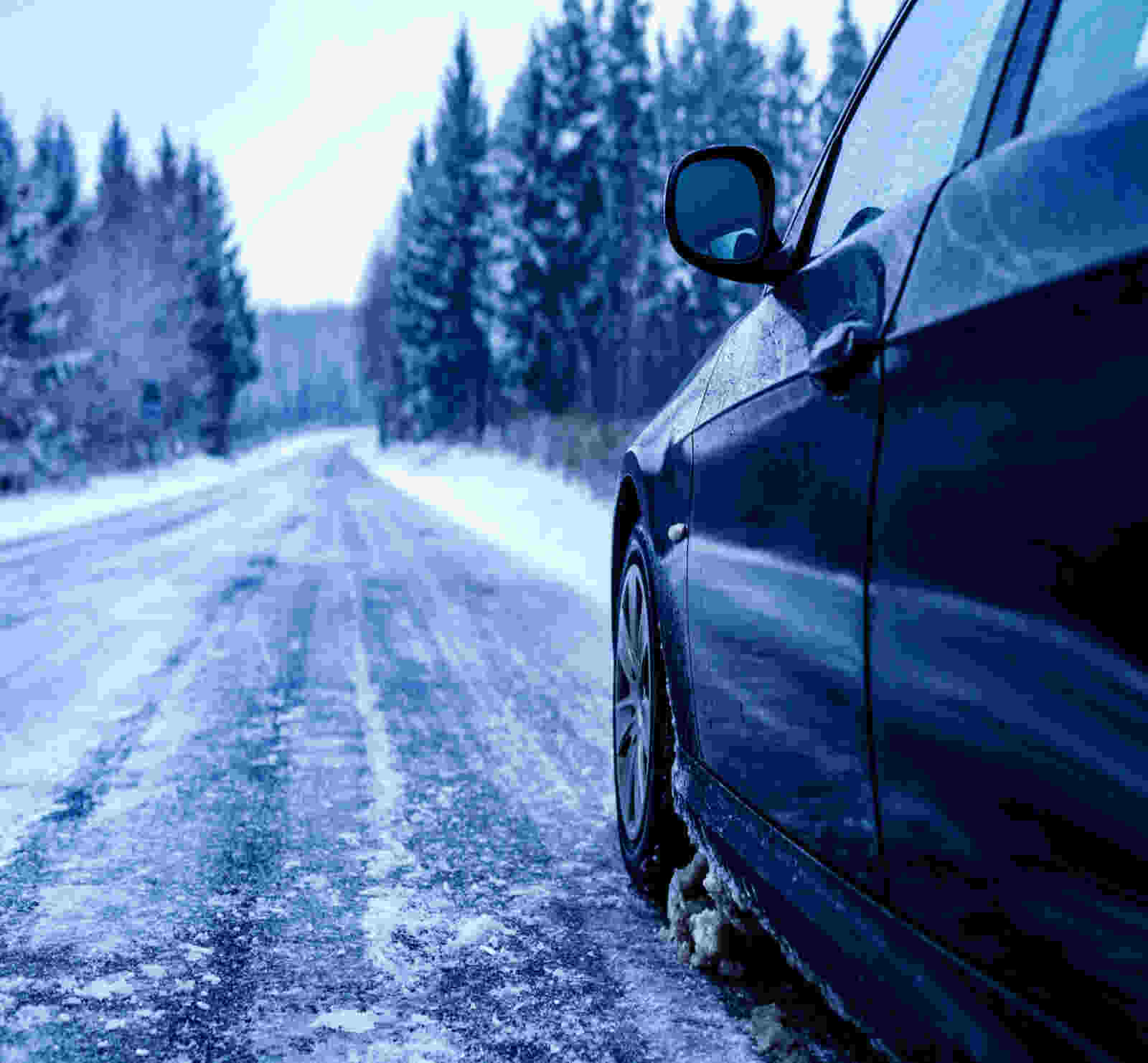
You booked your car shipment, got a pickup window, and then the forecast showed a snowstorm rolling across the route. Now you’re wondering: is my car going to be late?
Here’s the honest answer. Winter weather delays can push your car shipping timeline back by 1 to 7 days, depending on where your car is going and how bad the storm gets. Snow, ice, chain laws, and highway closures slow down every truck on the road, including the one carrying your vehicle.
The good news? Delays are predictable, manageable, and almost never a sign that something is wrong. In this guide, we’ll explain exactly how snow and ice affect auto transport ETAs, which routes get hit hardest, what it means for cost and safety, and the simple steps you can take to stay on schedule.
Shipping this winter? Get an instant car shipping quote with Haulin.ai in under 40 seconds — with a realistic winter delivery window built in.
Quick Summary: Winter Car Shipping Delays at a Glance
- Typical winter delay: 1–3 extra days on most routes; 3–7 days during major storms or mountain closures.
- Hardest-hit areas: Northern states, the Great Lakes, the Northeast, and mountain passes like I-70 in Colorado and I-80 in Wyoming.
- Why it happens: Slower speeds, chain laws, road closures, and federal driver-hour limits that don’t pause for snow.
- Is your car safe? Yes. Drivers stop when roads are unsafe, and delays are a safety measure, not a problem.
- Cost impact: Prices can rise 5–15% on snow-belt routes due to fewer available carriers.
- What you can do: Book 2–3 weeks early, keep your dates flexible, prep your car for cold, and stay reachable.
What Is a Winter Weather Delay in Car Shipping?
A winter weather delay is any change to your car’s pickup or delivery date caused by snow, ice, freezing rain, extreme cold, or road closures. It’s one of the most common reasons auto transport ETAs shift between November and March.
It doesn’t mean your shipment was cancelled. It means the carrier is waiting for safe road conditions before moving forward.
Winter delays usually show up in one of three ways:
- Pickup delay — the truck can’t reach your area on the scheduled day.
- In-transit delay — the truck is already loaded but stops to wait out a storm or closure.
- Delivery delay — the final leg is slowed by local snow, unplowed streets, or icy driveways.
How Snow and Ice Affect Auto Transport ETA
A loaded car carrier can weigh up to 80,000 pounds and stretch over 75 feet. On ice, that truck needs far more room to stop and turn. So when winter hits, everything slows down. Here are the five biggest reasons.
1. Slower highway speeds
According to the Federal Highway Administration (FHWA), freeway speeds drop 3–13% in light snow and as much as 40% in heavy snow. On snowy or slushy local roads, average speeds fall 30–40%.
A 500-mile driving day can quickly become a 300-mile day.
2. Chain laws and traction rules
Mountain states require trucks to carry or install tire chains. In Colorado, commercial vehicles on I-70 between Dotsero and Morrison must carry chains from September 1 through May 31, per the Colorado State Patrol. Chaining up takes time, and chained trucks travel slowly.
3. Road and highway closures
State DOTs close interstates during blizzards, whiteouts, and multi-vehicle pileups. Common winter closures include I-70 in Colorado, I-80 in Wyoming, I-90 through Montana and Snoqualmie Pass, and I-80 over Donner Pass in California. A single closure can hold a truck for 12–48 hours.
4. Federal driver-hour limits
Truck drivers are limited to 11 hours of driving per day under FMCSA rules. The FMCSA adverse driving conditions exception allows up to 2 extra hours when unexpected weather slows a trip. But that’s it. Hours spent crawling through snow still count, so drivers cover fewer miles per shift.
5. Pickup and delivery access
A 75-foot carrier can’t safely enter an icy cul-de-sac or an unplowed rural road. Drivers may ask to meet you at a nearby store parking lot or wait until local streets are cleared.
Industry insight: The FHWA estimates that 23% of non-recurring highway delay nationwide is caused by snow, ice, and fog. Weather delays aren’t rare — they’re built into how trucking works.
Car Shipping Delays in Winter: Northern States and High-Risk Routes
Not every route is affected equally. If your car is moving through the snow belt, plan for more buffer time. The FHWA notes that over 70% of U.S. roads are in snowy regions — so most cross-country routes touch winter weather somewhere.
| Region | Common Trouble Spots | Typical Added Delay |
|---|---|---|
| Rocky Mountains (CO, WY, UT, MT) | I-70 Eisenhower Tunnel, I-80 Wyoming, I-90 Montana | 2–7 days |
| Great Lakes (MI, OH, NY, PA) | Lake-effect snow on I-90, I-94, I-81 | 1–4 days |
| Upper Midwest (MN, WI, ND, SD, IL) | Blizzards, extreme cold, I-94 and I-29 closures | 1–4 days |
| Northeast (MA, VT, NH, ME, NY) | Nor’easters, narrow residential streets | 1–3 days |
| Pacific Northwest + Sierra (WA, OR, CA) | Snoqualmie Pass, Donner Pass (I-80) | 1–3 days |
| Sun Belt (FL, AZ, TX, southern CA) | Rare ice storms; delays usually come from the northern leg | 0–2 days |
Snowbird tip: A Boston-to-Florida shipment usually loses time in the first 300 miles, not the last. Once the truck clears Virginia, it typically gets back on schedule. See our Florida car shipping page and New York car shipping page for route details.
Military tip: PCS moves to bases like Fort Drum (NY), Fort Carson (CO), or Malmstrom AFB (MT) should include at least 3 extra days of buffer in winter.
Winter Car Shipping Timeline vs. Normal Timeline
Most car shipping costs and transit times vary by distance. Here’s a realistic look at how winter weather delays change your car shipping timeline. These are industry-typical ranges for door-to-door open transport.
| Distance | Normal Transit Time | Winter Transit Time (snow-belt routes) |
|---|---|---|
| Under 500 miles | 1–3 days | 2–5 days |
| 500–1,000 miles | 3–5 days | 4–8 days |
| 1,000–1,500 miles | 4–7 days | 5–10 days |
| 1,500–2,500 miles | 6–9 days | 7–12 days |
| Coast to coast (2,500+ miles) | 7–14 days | 9–18 days |
Does winter affect car shipping cost?
Sometimes. Fewer drivers want to run northern routes in January, so carrier supply drops. That can raise prices 5–15% on snow-belt lanes.
Meanwhile, the snowbird rush (northern states to Florida, Arizona, and Texas) pushes southbound prices up from October to December. Northbound prices rise again from March to May.
According to industry estimates, most car shipping costs range between $700 and $1,800 for a standard sedan on open transport, depending on distance and season. Check your exact price instantly.
Weather Impact on Vehicle Transit: Is Your Car Safe?
Yes — a delay is actually a sign your car is being handled safely. Professional drivers park when roads are dangerous instead of pushing through. Your car sits secured on the trailer until conditions improve.
Here’s what winter can do to a vehicle in transit, and how carriers handle it:
- Road salt and slush: Cars on open trailers can arrive dirty or salt-sprayed. A simple wash fixes it.
- Freezing temperatures: Low batteries can die in the cold. A fully charged battery prevents loading problems.
- Ice on the car: Drivers may need to clear ice before inspection, which can slow pickup.
- Insurance: Licensed carriers must carry cargo insurance. Always confirm coverage before pickup.
Open vs. enclosed transport in winter
| Feature | Open Transport | Enclosed Transport |
|---|---|---|
| Cost | Lower (most affordable) | 30–60% higher |
| Protection from salt and snow | Exposed | Fully protected |
| Winter availability | High | Limited; book earlier |
| Best for | Daily drivers, standard vehicles | Luxury, classic, exotic, or newly detailed cars |
| Delay risk | Same as enclosed | Same as open |
Pros of enclosed in winter: No salt, slush, or road debris. Ideal for high-value vehicles.
Cons of enclosed in winter: Higher price and fewer trucks, so pickup may take longer to schedule.
Note that both types face the same road conditions. Enclosed transport protects your car, but it won’t make the truck any faster. Learn more in our guide to open vs. enclosed car transport.
What You Can Do: 7 Steps to Stay on Schedule This Winter
You can’t control the weather. But you can control how ready you are for it.
- Book 2–3 weeks ahead. Early booking gives carriers time to plan around forecasts and gets you a better spot on the truck.
- Build in a 2–4 day buffer. Don’t schedule a flight, job start, or base report date for the same day your car is due.
- Keep your pickup window flexible. A 2–3 day window helps the dispatcher route around storms.
- Choose an easy meeting spot. If you live on a steep, narrow, or unplowed street, offer a nearby large parking lot.
- Winterize your car. Check antifreeze, charge the battery, keep the fuel tank at about 1/4, and remove ice scrapers and loose items.
- Stay reachable. Keep your phone on, answer unknown numbers, and give a backup contact.
- Watch the forecast, not just the ETA. Check weather.gov for your route so updates don’t surprise you.
Need a realistic winter timeline? Text us for a quick estimate — we’ll factor in your route’s weather risk before you book.
Common winter shipping mistakes to avoid
- Booking the cheapest quote with no buffer. Low-ball prices on winter routes often sit unassigned for days.
- Cancelling at the first delay. Rebooking in peak snowbird season usually costs more and takes longer.
- Leaving personal items in the car. They’re not covered by carrier insurance and add weight.
- Skipping photos. Take dated photos of your car before pickup, especially if it’ll ride on an open trailer.
Real Stories from Customers
Snowbird, Northeast to Florida “We shipped our SUV to Florida in Nov 2025. A storm hit on pickup day, and our driver came 3 days later. Haulin.ai texted us every update, and the car arrived on time with no damage.” — Margaret
Dealer story “We move 200 cars a month out of Ohio. Winter used to mean constant phone calls. Now we get realistic winter windows upfront.” — John
How Haulin.ai Handles Winter Shipments Differently
Most companies give you a summer-style ETA in January and hope for the best. Then the calls start. We’d rather be honest upfront.
Unlike traditional brokers, Haulin.ai uses AI to instantly match you with the best carrier at the right price — no back-and-forth calls needed. In winter, that means:
| What You Need | Traditional Brokers | Haulin.ai |
|---|---|---|
| Quote speed | Hours or days, often by phone | Instant quote in under 40 seconds |
| Winter pricing | Low teaser price, then surprise increases | Transparent pricing with no hidden costs |
| Delivery window | Generic estimate | Realistic window that factors in seasonal route risk |
| Delay updates | You call them | Proactive updates by text |
| Carrier match | Whoever accepts the load | AI-matched carrier for your route and timing |
A delay is never fun. But a delay you saw coming is a lot easier to plan around.
Talk to a real person about your route. Call now to speak with a shipping expert — we’ll walk you through winter risks before you commit.
Frequently Asked Questions
How long can winter weather delay car shipping?
Most winter weather delays add 1 to 3 days to a car shipping timeline. During major blizzards or mountain pass closures, delays can reach 5 to 7 days. Routes through the Rockies, Great Lakes, and Upper Midwest see the longest delays. Southern routes are rarely affected for more than a day.
Will I be charged extra if my car is delayed by snow?
No. Reputable carriers do not charge extra for weather delays because they’re outside anyone’s control. However, winter quotes on snow-belt routes may be slightly higher upfront due to fewer available drivers. With Haulin.ai, the price you’re quoted is the price you pay, with no hidden fees.
Is it safe to ship a car in winter?
Yes. Shipping a car in winter is safe because professional drivers stop when roads become dangerous. Carriers are licensed and insured, and your car stays strapped on the trailer during any wait. The main risk is cosmetic, such as salt spray on open trailers, which a car wash removes.
Should I choose enclosed transport in winter?
Choose enclosed transport if your car is a luxury, classic, or exotic vehicle, or if you want to avoid road salt. It costs about 30–60% more. For everyday cars, open transport is safe and affordable in winter. Both options face the same road conditions and similar delay risks.
How will I know if my car shipment is delayed?
Your carrier or broker should contact you as soon as weather affects your route. With Haulin.ai, you get proactive text updates with a revised ETA. You can also text or call our team anytime. Keep your phone on and answer unknown numbers during your pickup window.
Should I cancel my car shipment if a storm is coming?
Usually, no. Cancelling often means losing your spot and rebooking at a higher peak-season price. Carriers already plan around storms by pausing safely and resuming when roads clear. Instead, ask for an updated ETA and adjust your plans with a small buffer.
When is the best time to book car shipping in winter?
Book 2 to 3 weeks before your ideal pickup date. For snowbird moves between October and December, booking 3 to 4 weeks ahead is smarter. Early booking gives carriers time to plan routes around weather and helps you lock in better pricing.
What should I do to prepare my car for winter shipping?
Charge the battery, check antifreeze, keep about a quarter tank of fuel, and remove personal items. Take dated photos of all sides. If you live on an icy or narrow street, plan to meet the driver at a nearby open parking lot.
Ready to plan around the weather? Get an instant car shipping quote — no calls required.
Conclusion: Plan for Winter, Don’t Panic Over It
Winter weather delays are a normal part of car shipping from November through March. Snow, ice, chain laws, and closures can add a few days to your timeline, especially through northern states and mountain passes. But a delay almost always means your car is being moved safely.
Key takeaways:
- Expect 1–3 extra days on most winter routes, and up to 7 on mountain routes.
- Book early, add a buffer, and keep your pickup window flexible.
- Prep your car for cold and stay reachable.
- Choose a company that gives you a realistic winter ETA upfront.
Ready to ship your car this winter? Get an instant quote in under 40 seconds, text us for a quick estimate, or call our team to get started today.

**About the Author — Shraddhanvita Tiwari**
Shraddhanvita Tiwari is an auto transport industry expert specializing in vehicle shipping, auto transport logistics, carrier networks, and the U.S. car shipping market. Her experience in the industry gives her a practical perspective on the factors that influence auto transport pricing, carrier selection, shipping timelines, and the overall vehicle shipping experience. At Haulin.ai, she contributes industry-focused insights designed to make car shipping easier to understand for consumers and businesses.