
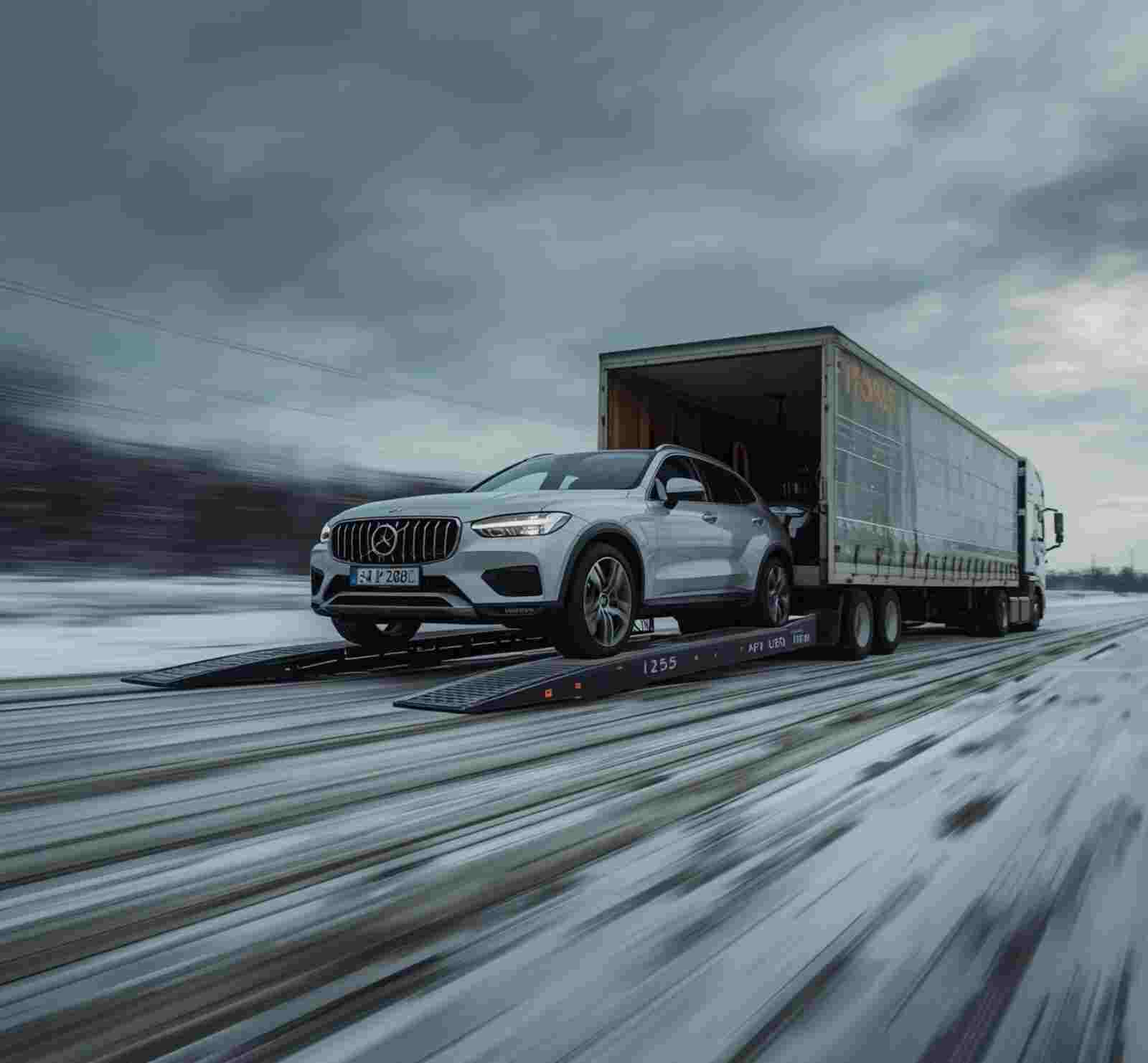
Winter has a way of making everything feel more complicated, especially when it comes to cars. The cold creeps in, metal stiffens, roads frost over, and suddenly even a quick drive to the grocery store can feel like a scene from an ice-covered obstacle course. So, it’s no surprise that more people decide to ship their vehicles during the colder months instead of driving them across state lines. Winter car shipping touches every corner of the country, from snowbirds heading south, families relocating before the holiday rush, students returning home from college, and buyers trying to get a newly purchased car delivered before the end of the year.
But the first question nearly everyone asks is the same: Should I book open transport or enclosed transport for winter?
Both methods will get your car where it needs to go. But when you add snow, freezing rain, road salt, and unpredictable weather into the mix, the choice matters a lot more. And it’s not just about the type of trailer. It’s about protecting the long-term health of your vehicle.
This guide provides a comprehensive, transparent look at winter car shipping, including the differences between open and enclosed car transport, and why certain vehicles perform better in enclosed auto carriers once snow begins to fall. You’ll also learn how winter weather actually damages vehicles (in ways many drivers don’t realize) and how AI is quietly reshaping seasonal auto transport behind the scenes.
Winter Driving vs Winter Shipping: Why This Question Matters
Driving long distances in the winter can feel like you’re gambling with the weather. One day, the roads are clear, the next you’re fighting through whiteouts and black ice. A route that should take eight hours can suddenly become a 16-hour crawl behind snowploughs. That’s why so many people, especially anyone heading from the northern half of the US to warmer states, turn to winter auto transport instead.
But choosing the correct transport method isn’t always obvious.
Open trailers work perfectly fine during most of the year. In fact, they’re the industry standard. You’ve seen them on the highway: two levels, a mix of sedans and SUVs strapped into place, out in the open. For many cars, this is more than sufficient.
Winter, however, introduces hazards that don’t exist in July. Snow piles on, ice forms, and road salt becomes a constant companion on highways from Maine to Michigan to Montana. That’s the moment people start wondering whether open transport is enough, or whether enclosed auto carriers offer meaningful protection worth paying extra for.
In other words, winter forces you to think about your vehicle’s exposure, not just its destination.
Open transport is a simple, efficient, and budget-friendly option. Most vehicles in the US are moved this way, even during colder months, so it’s far from a “risky” choice. But winter does change the equation.
Why People Still Choose Open Transport in Winter
Open transport remains the most popular option in winter for a few practical reasons:
The Winter Downsides of Open Transport
The downsides of open transport become more noticeable once the temperature drops.
Open transport still does the job well. But winter weather introduces variables worth knowing upfront.
If open transport is a reliable raincoat, enclosed transport is a full winter jacket with insulation, waterproof fabric, and a high collar. Enclosed auto carriers provide a completely sealed environment for your vehicle, shielding it from anything the winter sky can throw at it.
Who Usually Chooses Enclosed Shipping in Winter?
People shipping:
If one of those categories applies to you, enclosed transport is almost always the better option.
Why Enclosed Transport Shines During Winter
It’s designed for delicate vehicles, and that precision becomes even more valuable in slippery winter conditions.
The Drawbacks (Honest Ones)
Most drivers understand that road salt isn’t good for cars, but the details are where things get interesting, and a little unsettling.
Road salt isn’t just “salt.” Depending on the state, it might include:
Each mixture reacts with moisture and oxygen differently, but the result is the same: corrosion.
During seasonal auto transport, a vehicle on an open carrier can accumulate salt faster than it would during a single normal winter drive. The trailer moves through multiple states, all using different de-icing chemicals, and the fine mist settles into creases, seams, and underbody components.
The Real-World Effect of Salt Exposure on Shipped Vehicles
For some vehicles, particularly classics, high-value SUVs, EVs, and cars with sensitive paint, enclosed transport is simply the safer long-term choice.
To make the choice easier, here’s the bottom line:
Go With Open Transport If:
Open transport is practical and dependable, especially if the shipped car isn’t pristine or high-value.
Choose Enclosed Transport If:
If you value protection above price, enclosed is the easy winner during the winter months.
This part surprises many customers: AI is increasingly playing a significant role in how winter car shipping works. It helps dispatchers, customers, and carriers make smarter decisions with real-time, weather-aware accuracy that humans simply can’t match at scale.
Weather Prediction and Route Scoring
AI systems constantly scan:
Based on this data, AI can estimate whether open or enclosed transport is the safer option for your specific route and timeframe.
Vehicle-Specific Risk Analysis
Every vehicle has unique vulnerabilities. An AI system can assess risk based on:
Then it delivers a recommendation: open or enclosed.
Carrier Matching
AI can evaluate:
This means customers are matched with the carrier best suited to the season, not just the one that is nearby.
Pricing Forecasts
Winter shipping prices change rapidly due to storms, demand spikes, and holiday bottlenecks. AI can track these fluctuations and tell you:
This is especially important from December through early March.
Real-Time Monitoring During Shipment
Companies like Haulin.ai use AI tools to help carriers adjust routes on the fly if the weather shifts. If a storm develops, the system can suggest:
It’s all about reducing risk while keeping winter shipments moving.
Winter car shipping doesn’t have to feel like a maze of complicated decisions. Once you understand how weather, road conditions, and salt exposure actually affect transported vehicles, the choice between open and enclosed transport becomes much clearer. Open carriers remain the go-to option for everyday cars, families on the move, and snowbird travelers seeking reliable and affordable shipping. They get the job done, even when the temperatures drop.
But winter has a way of testing the limits of anything left out in the open. If your vehicle is newer, higher in value, or something you’ve invested time and care into, enclosed transport provides you with far more than convenience. It offers real peace of mind when snowstorms, freezing rain, and salted highways start stacking up across your route. It’s a level of protection that simply can’t be matched once winter weather becomes unpredictable.
The important thing is choosing the option that matches your comfort level, your vehicle’s needs, and the kind of winter conditions you expect along the way. When you make that choice intentionally, not just based on price, you’ll feel far more confident about the trip your car is about to take.
If you’re planning to ship a vehicle this winter, now is the perfect time to get ahead of the weather. Reach out, ask questions, compare quotes, and book early so you’re not left scrambling during the busiest and stormiest months of the year. Your car deserves a smooth, stress-free journey. Let’s get it on the road safely.